
Michigan State University Athletics
11/8/2026 2:23:00 PM | Cross Country
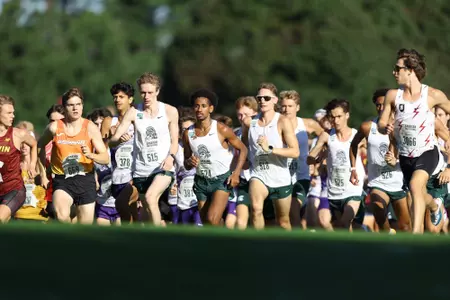
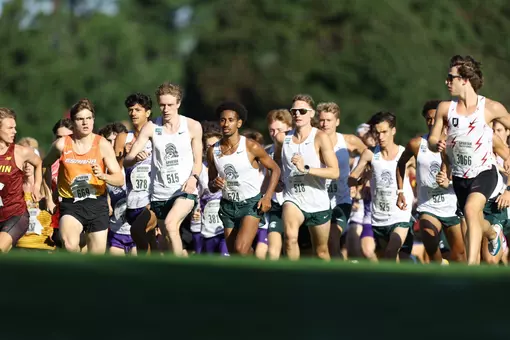
From unpredictable Midwest weather to the challenge of parking and maintaining course conditions, hosting more than 60 cross-country teams with roughly 450 runners at Forest Akers East is no small feat.
Long before the first runner toes the starting line, months of preparation unfold across the course, turning a quiet golf course into a stage for one of the season's most competitive meets. Michigan State will host the NCAA Great Lakes Regional Championships on Nov. 13, 2026, with the university, the Lansing Sports Commission, and Forest Akers working to prepare the course, coordinate logistics, and create a championship experience for the runners.
The planning started in spring 2026, according to Barbara Powers, a sports event manager for the Lansing Sports Commission. All parties working behind the scenes are managing the many details that go into race day.
"It takes an army of people to bring all the logistics of this meet together," Powers said. "We rely on staff from MSU, the Lansing Sports Commission, Playmakers, Forest Akers, officials, and dozens of volunteers. Everyone has a specific role, and it only works when all those pieces come together."
Those logistics include making sure the course meets NCAA standards, coordinating officials, organizing parking and shuttle services, recruiting volunteers, and coordinating both medical services and media coverage.
While much of the preparation happens out of sight, Forest Akers staff has their own personal checklist to make sure the course is ready for these runners to compete.
Jason Edick, an operations manager for Forest Akers, said that preparing the course requires several steps to ensure it is ready for the regional championships.
"We have a committee come out, take all the measurements to get the race length set properly, go through and paint all the various lines for the course, and then just add any necessary signage to tell runners where to turn," Edick said.
Weather is another factor organizers will account for, especially with the race taking place in November. Edick said that Forest Akers received about 10 inches of snow during its last similar event, forcing staff to use smaller utility vehicles to clear paths around the course. That experience shows why these organizers need to be prepared for whatever weather conditions a chilly November race day could bring.
Contingency plans cover everything from snow removal and heating to maintaining safe footing for runners and spectators alike.
"We added heaters to all the tent areas so that the runners could stay warm prior to the race and after the race," Edick said. "We just have to be prepared, because you can have 70 degrees and clear skies, where you don't have to do anything special, or you could run into rain or snow, which drastically changes the course conditions."
MSU's experience hosting the Big Ten Championships last season has also helped shape preparations for the regional. Powers said teams were happy with the layout and setup of the event, giving organizers a blueprint which allowed them to identify what worked well and what could be adjusted before taking on another large championship event. It also gave the staff a better understanding of what to expect when teams arrive in November.
The regional will follow a similar setup, with some changes to spectator traffic and shuttle services. This time, fans will be shuttled directly to the course.
Ultimately, the organizers say that the preparation for an event like this is about more than simply getting hundreds of athletes through the course. From preparing the course and organizing transportation to planning for unpredictable weather, each detail is designed to make race day run as smoothly as possible for the teams competing.
For the athletes, the months of work it takes before race day may go unnoticed. But for the organizers, that is part of the goal. If everything for this event goes according to plan, the months of work will allow the athletes to focus on the race itself and compete in an environment that feels worthy of a championship.
"It is our hope to create the best experience possible for the student-athletes that are competing," Powers said. "When they get to the course, we want them to feel like they are at a championship event."



Wednesday, October 09
Thursday, August 15
Wednesday, November 15
Tuesday, October 31